Choosing a Level 2 Home Charger in Wake Forest
Updated 2026-10-17 · Wake Forest, NC
- 48A
- Max on most wall units
- 60A
- Circuit for 48A
- $349.99–$699
- Charger list prices
The short answer
Any UL-listed Level 2 charger with your car's plug will work. What matters more than the brand is how it connects: a hardwired 48A unit on a 60A circuit charges fastest and avoids the nuisance tripping plug-in units can have under North Carolina's electrical code. After that, pick the plug that matches your car and a model with an app if you want to charge on a cheaper overnight rate.
Common Level 2 chargers compared
| Charger | List price | Max amps | Connects by | Connector | Outdoor rating |
|---|---|---|---|---|---|
| Emporia Pro | $599 | 48A | Hardwired, or 14-50 plug at 40A | J1772 or NACS | NEMA 4 |
| ChargePoint Home Flex | $599 | 50A | Hardwired, or 14-50 plug at 40A | J1772 or NACS | NEMA 3R |
| Grizzl-E Classic Connect | $349.99 | 40A | NEMA 14-50 plug | J1772 or NACS | Rated for outdoor use |
| Grizzl-E Ultimate 48A | $479.99 | 48A | Hardwired only | J1772 or NACS | Rated for outdoor use |
| Lectron V-Box Pro (Wi-Fi) | $406.99 | 48A | Hardwired, or 14-50 plug at 40A | J1772 or NACS | IP55 |
| Tesla Universal Wall Connector | $660 | 48A | Hardwired only | NACS with built-in J1772 adapter | NEMA 3R |
| Wallbox Pulsar Plus 48A | $699 | 48A | Hardwired only | J1772 or NACS | NEMA 4 |
Manufacturer or retailer list prices, checked 2026-10-24; sales are common. All have a phone app. Brand names show compatibility only; we don't sell chargers or take a cut from any maker. The charger is bought separately from the install unless it's quoted with the job.
Hardwired or plug-in?
A plug-in charger goes into a 240V NEMA 14-50 outlet; a hardwired one is wired straight to its circuit. The electrical code requires ground-fault (GFCI) protection on an outlet installed for EV charging, and most chargers have their own ground-fault protection too. The two can trip each other, so a plug-in charger may stop mid-charge. Hardwiring avoids that and is the only way to get 48A. How the NC code applies in Wake Forest.
A plug-in charger is easier to take with you when you move, which suits renters. If you go that way, ask for an industrial-grade outlet rated for EV charging rather than a basic range outlet.
40A or 48A: what circuit each needs
| Charger setting | Power | Circuit | Range / hr |
|---|---|---|---|
| 32A | 7.7 kW | 40A | About 23 mi |
| 40A | 9.6 kW | 50A | About 29 mi |
| 48A | 11.5 kW | 60A | About 34 mi |
EV charging counts as a continuous load, so the circuit is sized at 125% of the charger's current. A 48A charger only helps if your car accepts 11 kW; some EVs top out around 7 kW, where a 40A or even 32A setting charges just as fast. Every charger in the table can be turned down to fit a smaller circuit or a busy panel. Will your panel handle it?
NACS or J1772 in 2026
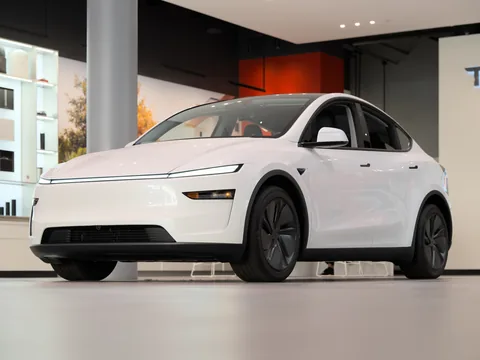
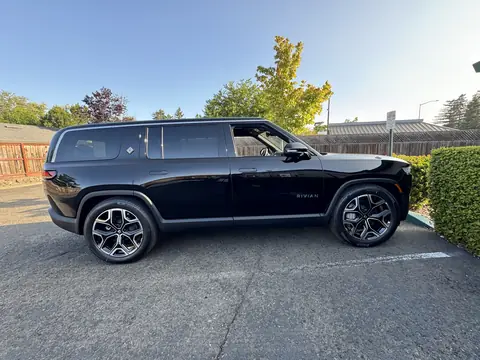
Tesla's NACS plug is becoming the North American standard: Tesla, Rivian's newer models, the Slate Truck and a growing list of other 2025–2026 EVs have NACS ports, while most EVs from earlier years use J1772. Most chargers above come in either version. If your household has one of each, the Tesla Universal Wall Connector has both built in, or a simple adapter covers the other car for Level 2 charging. Buy for the car you'll have longest.
Wi-Fi and scheduling
If you're on Duke Energy, its EV overnight rate charges half the standard price from 11 pm to 5 am, so a charger or car that starts on a schedule is worth having. In that 6-hour window a 40A charger adds about 171 miles, and a 48A charger about 205. Most cars can schedule charging on their own; a charger app helps if yours can't, or if you share one charger between two cars. How the Duke overnight rate works.
Mounting outside
A charger on a driveway wall or post needs an outdoor enclosure rating. NEMA 3R handles rain and sleet; NEMA 4 also handles hose-directed water and blowing dust. Hot, humid summers and mild winters. A charger in a hot garage can slow down on the hottest afternoons, so mount it out of direct sun and charge overnight. Hang the cable off the ground, and check that the charger's operating range covers summer heat (most list up to 50 °C / 122 °F).
When a portable or Level 1 charger is enough
The cord that comes with most EVs plugs into a standard 120V outlet and adds about 4 miles an hour, roughly 42 miles overnight. That covers a short daily commute. Portable 240V units that plug into a NEMA 14-50 outlet charge at Level 2 speeds and can travel with you, but have the same ground-fault tripping risk as any plug-in charger. Level 1 vs Level 2 in Wake Forest.
Buying a Ford? Check the free charger first
Ford's Power Promise includes a home charger and a standard installation by Qmerit with a new 2026 Mustang Mach-E bought or leased through January 4, 2027, or $2,000 off instead. Trenching, panel upgrades and other extra work aren't covered. If your home needs those, a local quote for the extra work can still help you compare.
Questions
What's the best Level 2 home charger?
There isn't one best charger. Pick a UL-listed unit with your car's plug (NACS or J1772), hardwired at 48A if your panel and car can use it, with an outdoor rating if it mounts outside and an app if you want scheduled charging.
Do I need a 48A charger?
Only if your car accepts about 11 kW. A 40A charger adds roughly 30 miles an hour, enough to refill most daily driving overnight.
Can I plug a Level 2 charger into a NEMA 14-50 outlet?
Yes, at up to 40A, but the outlet needs a GFCI breaker, which can trip against the charger's own protection. Hardwiring avoids that.
Does the charger brand affect installation cost?
Not much. Hardwired and plug-in installs take similar work; the circuit size, wire run and panel matter more. A local licensed electrician can install the charger you've bought or quote one with the job.
Does Ford still give a free Level 2 charger?
Yes, with a new 2026 Mustang Mach-E bought or leased through January 4, 2027: a home charger and standard install, or $2,000 off instead.
Sources
- Emporia: Pro EV charger
- Qmerit shop: ChargePoint Home Flex
- ChargePoint: Home Flex datasheet (PDF)
- Grizzl-E: chargers
- Lectron: V-Box Pro Wi-Fi
- Tesla: Universal Wall Connector datasheet (PDF)
- EnergySage: Wallbox Pulsar Plus review
- Wallbox: Pulsar Plus NACS datasheet (PDF)
- Tesla list prices, checked 2026-10-24
- Ford: Power Promise
- CarsDirect: Ford Power Promise extended into 2027 (Sept. 22, 2026)
Specs can change. Confirm with the manufacturer before you install.